

People Who Are Expanding Human Knowledge
Much of what we recognize as progress is shaped by what becomes visible.
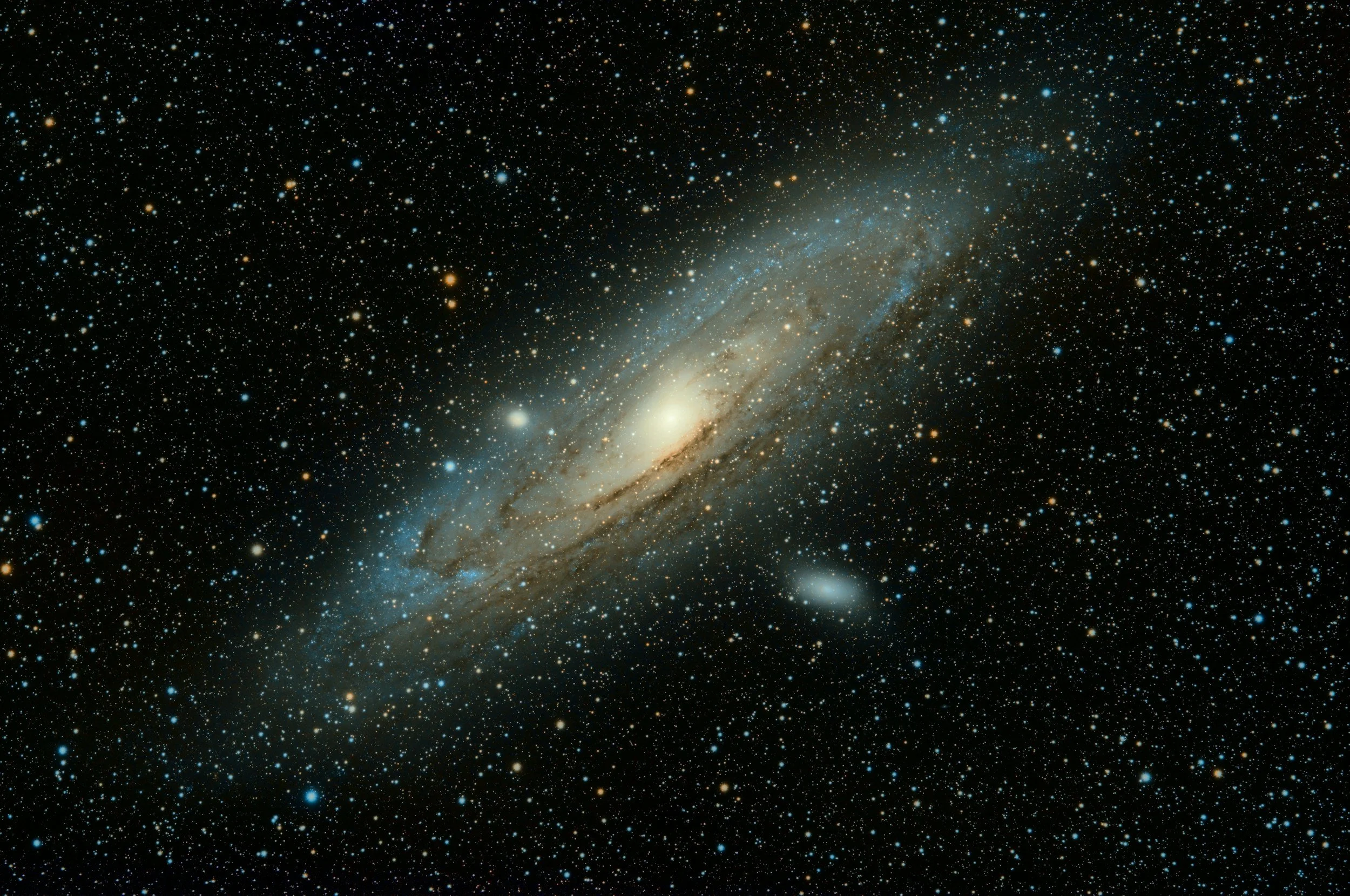
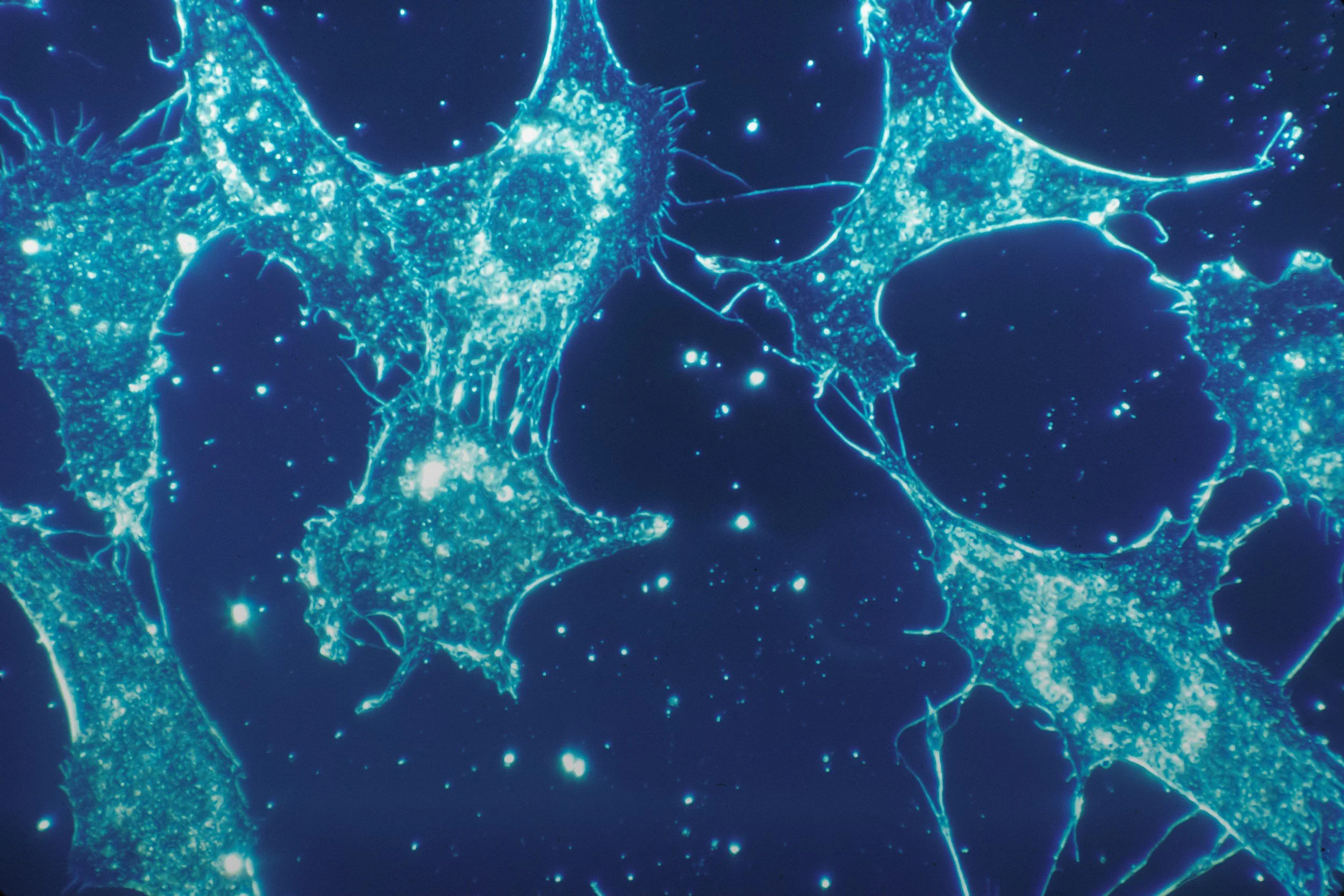
Discoveries that arrive with institutions, announcements, or public attention tend to define our collective sense of advancement. Yet beyond headlines and dominant narratives, human knowledge continues to expand in quieter ways — through patience, repetition, and sustained observation. Across disciplines, there are individuals whose contributions are recognized within their fields, yet remain peripheral to broader public attention, even as they steadily reshape what humanity understands about the universe, biology, and itself.
Discovery without spectacle
Human knowledge rarely advances through singular moments alone. More often, it grows through accumulation — small observations layered carefully over time until something new becomes clear.
Today, this kind of work is no longer confined to major institutions. Access to open scientific data, archives, and increasingly powerful tools has enabled individuals — often working independently — to contribute meaningfully to the frontiers of knowledge. What unites these people is not scale, visibility, or audience. It is persistence.
Looking deeper into the universe
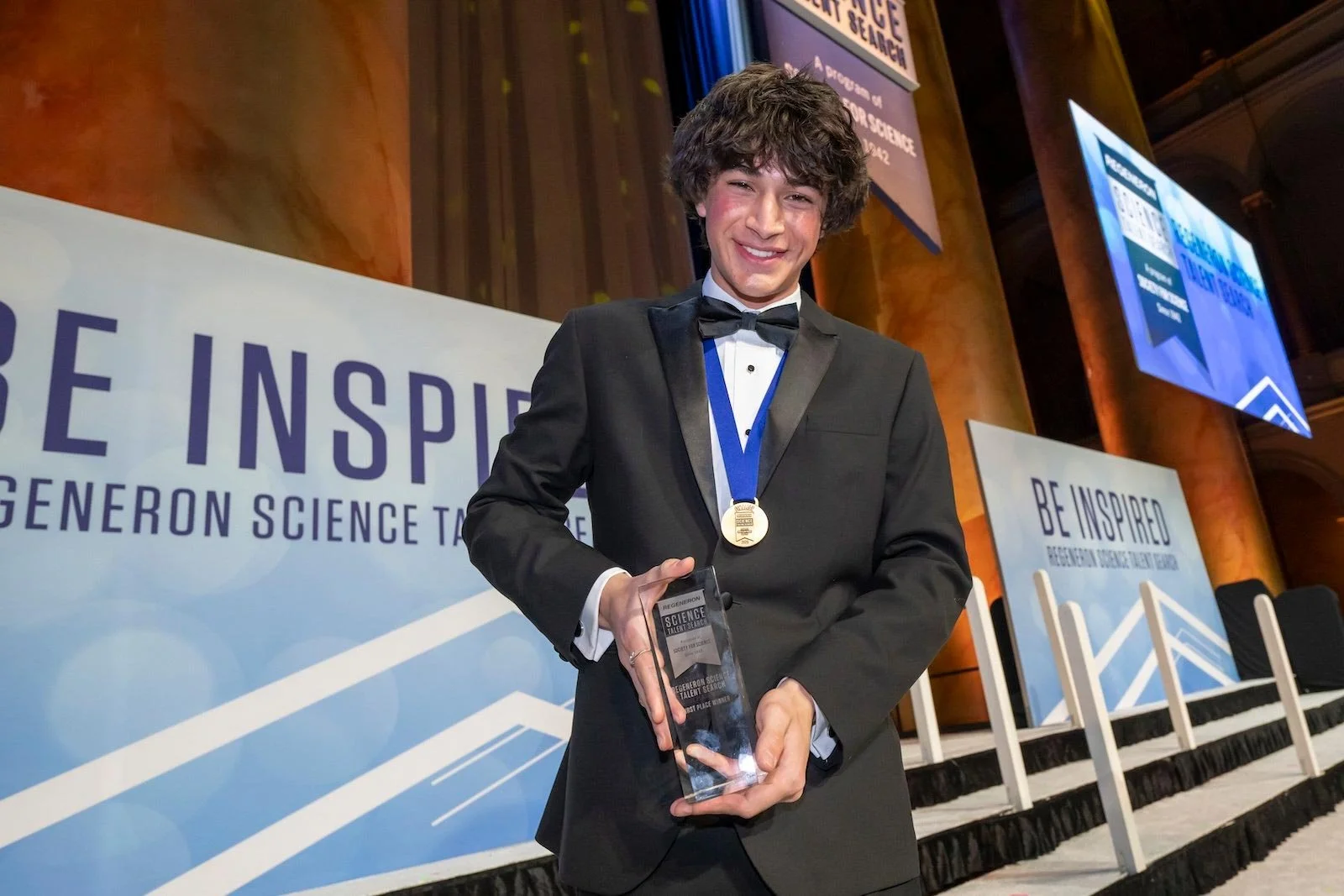
In recent years, an 18-year-old student, Matteo Paz, demonstrated how much unexplored knowledge can still be uncovered through careful attention.
Working with archival data from NASA’s retired NEOWISE space telescope, he developed a machine-learning algorithm to analyze vast volumes of astronomical information. Through this process, he identified more than 1.5 million previously unclassified celestial objects, including stars, supernova candidates, and potential black hole signatures. No new instruments were launched. No new missions were commissioned. The discovery came from returning to existing data with patience and a different set of questions. What was revealed had always been present — waiting to be noticed.
Persistence over prestige
This pattern is not isolated.
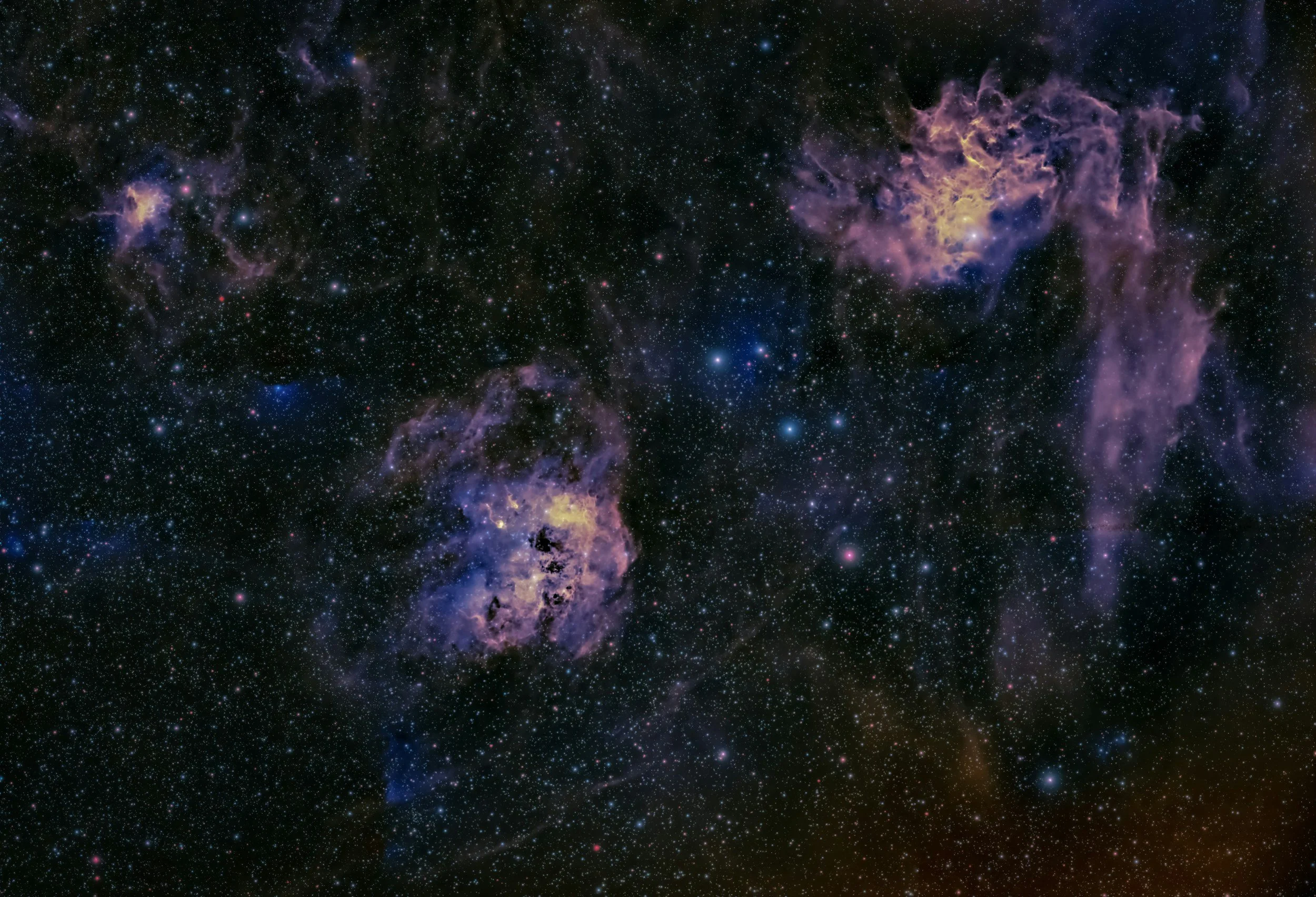
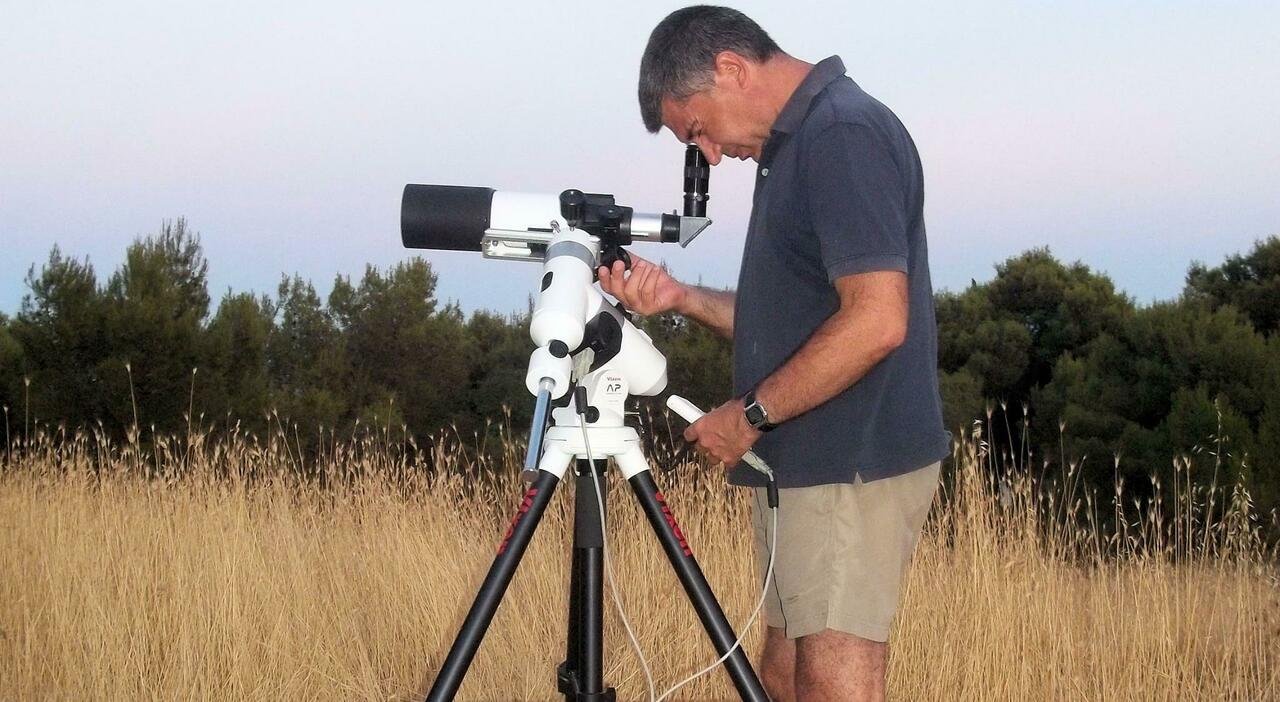
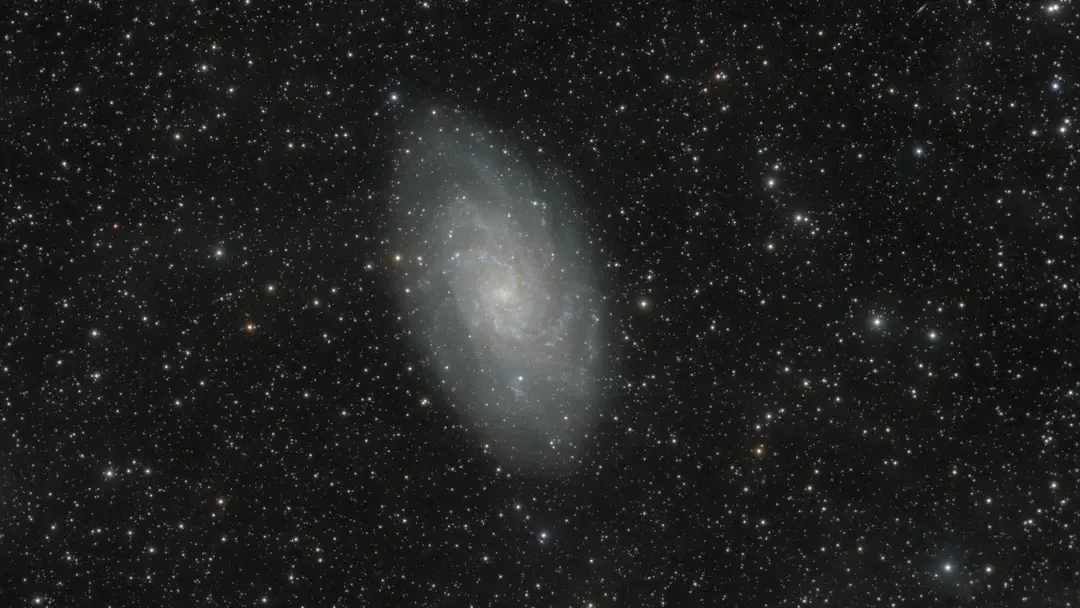
Giuseppe Donatiello, an Italian amateur astronomer, has discovered multiple faint dwarf galaxies using modest equipment and publicly available sky surveys. These galaxies were too subtle to stand out in automated searches, yet became visible through sustained human observation. Several now bear his name — not because of institutional affiliation, but because of dedication.
Similarly, Gennadiy Borisov, a telescope maker working independently, discovered 2I/Borisov, the first confirmed interstellar comet observed passing through our solar system. Using instruments he built himself, Borisov identified an object that did not belong to our stellar neighborhood, opening a new category of astronomical study.
These discoveries did not emerge from prominence or scale.
They emerged from consistency.
Exploration beyond space
Quiet expansion of human knowledge is not limited to astronomy.
In biology, Alexandra Morton-Hayward has assembled one of the world’s most significant collections of ancient preserved human brains. Her research investigates why certain brain tissues resist decay for thousands of years — a phenomenon long thought impossible.
By studying these rare biological preservations, her work challenges established assumptions about human tissue, aging, and disease. The implications extend into neuroscience, medicine, and our understanding of human history. It is not work designed for attention. It is work designed for understanding.


Why this work remains marginal in mainstream attention
There is a structural reason many of these contributions remain marginal in mainstream attention.
Modern media systems reward immediacy, emotion, and constant output. Political conflict, crisis, and spectacle dominate because they are immediate and reactive. Knowledge, by contrast, develops slowly. It requires repetition, silence, and time horizons that do not align easily with headlines or feeds.
Even when discoveries are recognized within scientific communities, their broader cultural presence is often brief — quickly displaced by faster, louder narratives.
Different meaning of exploration
Exploration today is not defined solely by distance or adventure. It is defined by depth.
It occurs when someone returns to the same observation night after night. When data is revisited rather than replaced. When curiosity is allowed to operate without urgency.
These explorers are not building audiences.
They are building maps — of the universe, of biology, and of reality itself.
Why this matters now
At a time when information feels abundant yet fragmented, these stories offer something increasingly rare: reassurance that human curiosity still operates with patience and care.
Knowledge continues to expand not because everything is louder, but because some people remain willing to work in silence.
Their contributions may never dominate public attention. But they endure.
And in the long arc of human understanding, that endurance matters far more than attention ever could.
